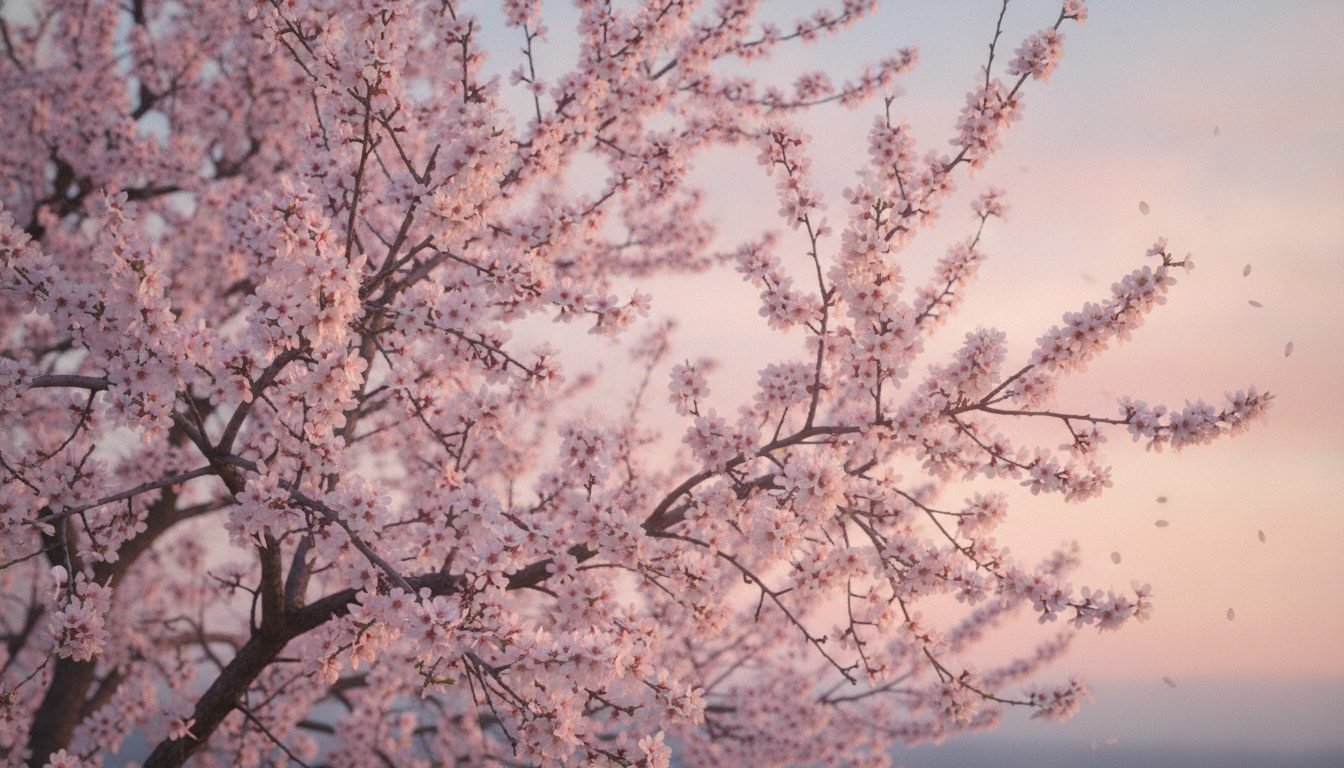
A festival of the waking earth
Tu BiShvat (Hebrew ט״ו בשבט — “the fifteenth of Shvat”) is the New Year of the Trees. The name of the festival is its very date: the letters ט and ו add up to fifteen.
In the depths of the Israeli winter the sap is already rising, and the earliest tree — the almond — clothes itself in pink-white blossom. Winter has not yet gone, but life has already stirred toward growth.
At first this was a purely calendrical date, for counting the age of fruit trees and setting aside the tithe. In time the festival filled with meaning: gratitude to the land, care for nature, and spiritual renewal.
Tu BiShvat in Azerbaijan
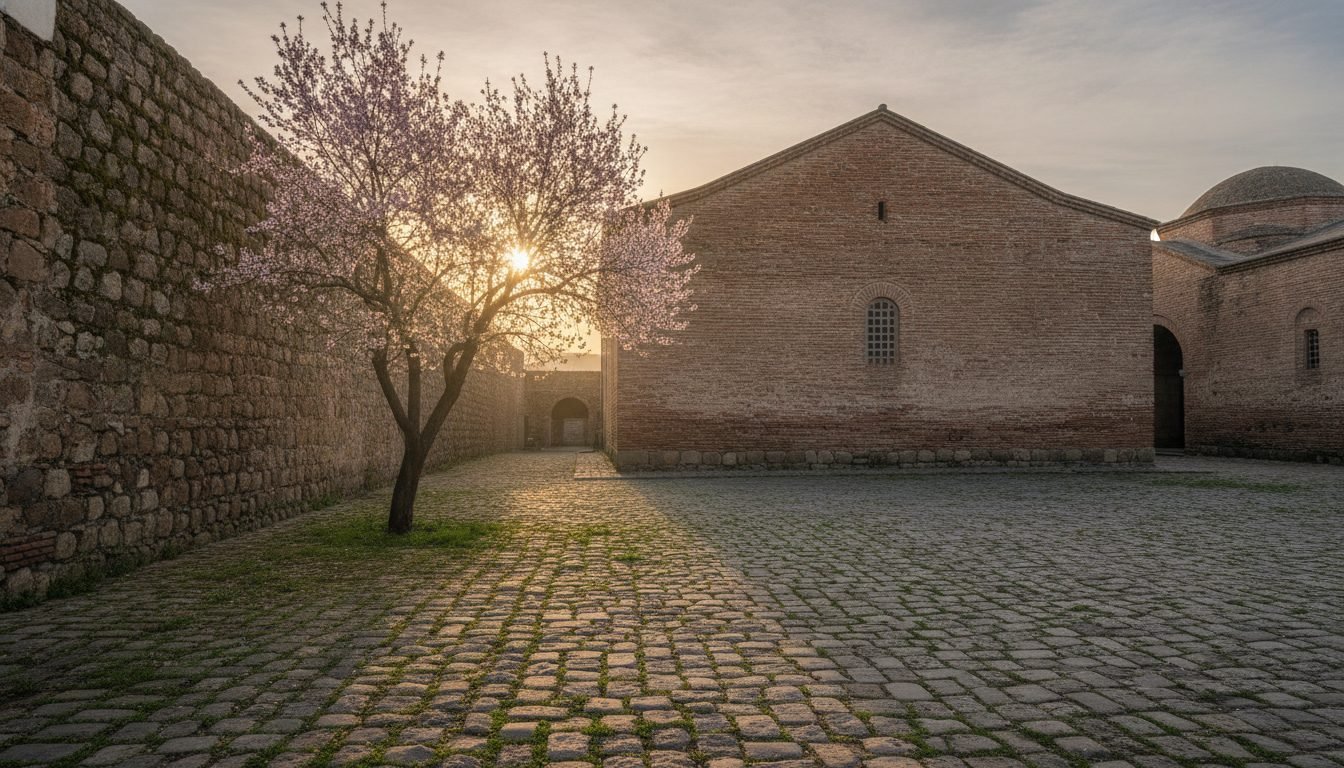
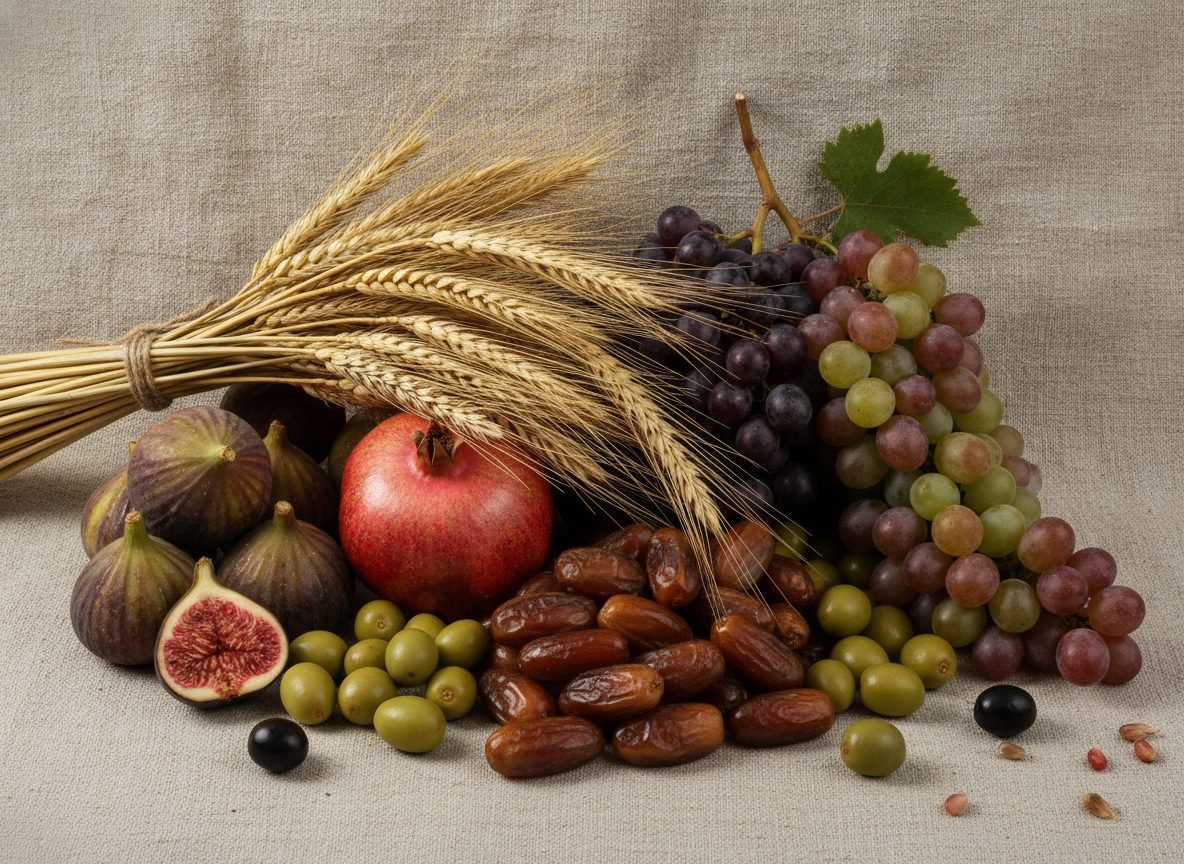
Azerbaijan is home to one of the world’s oldest Jewish communities and a long tradition of interfaith tolerance. As the orchards bloom at winter’s end, the communities of Baku and Quba set Tu BiShvat tables with dried fruits, nuts, and the fruits of the seven species.
A special place belongs to Krasnaya Sloboda (Qırmızı Qəsəbə) near Quba — one of the few places in the world where Mountain Jews live as a compact community. Here, among the orchards of the Caucasus foothills, the festival of the trees is welcomed by the whole community, with hospitality and the ancient melodies of Juhuri.
Enter the festival
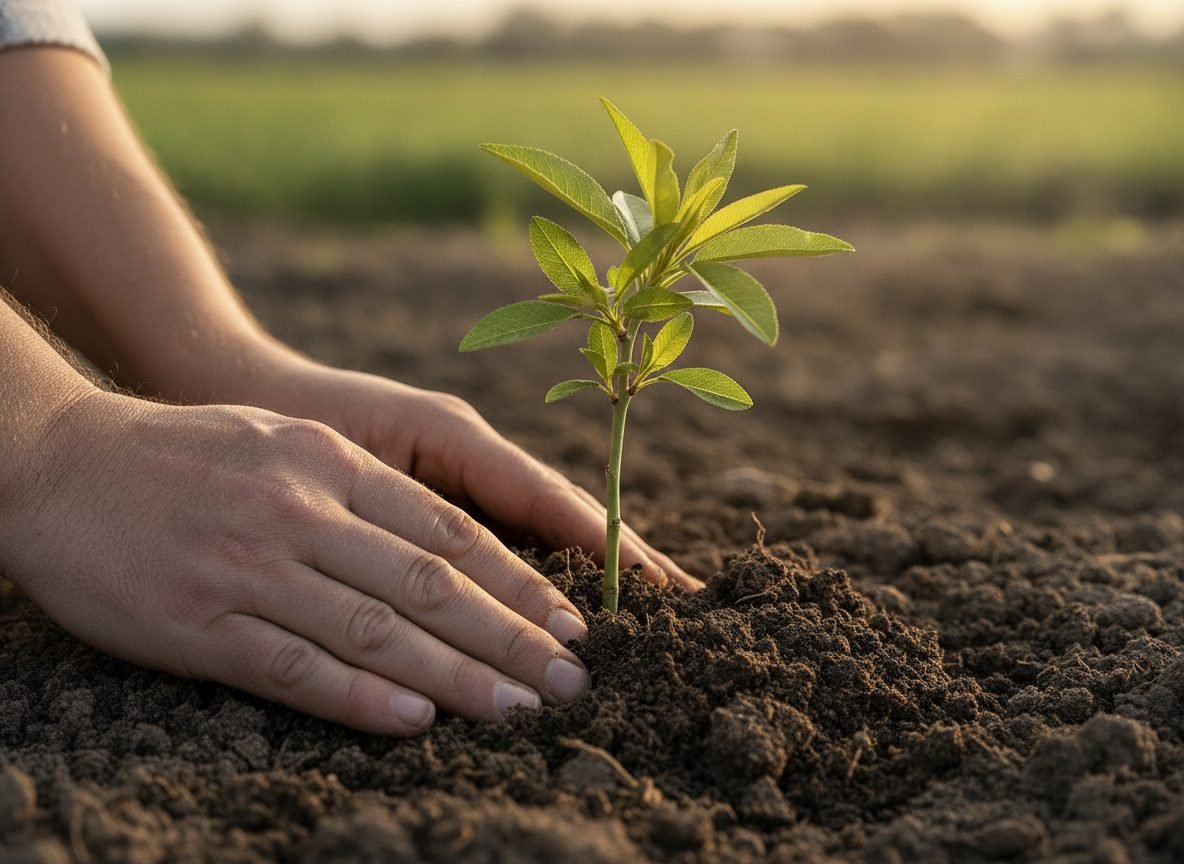
Three facets of Tu BiShvat — its meaning and history, the seven species and the fruits of the table, the trees and care for the living earth.

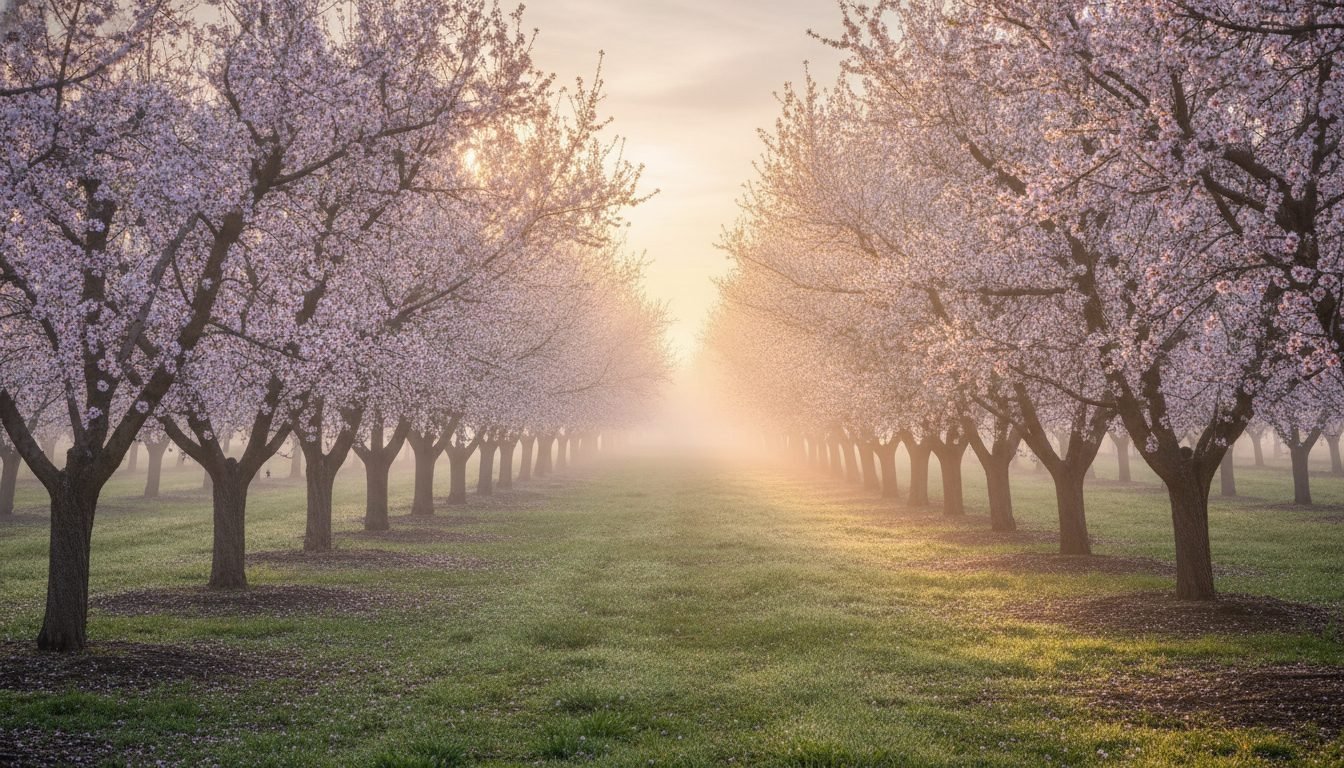
Ha-Shkediya porachat
“The almond is in bloom” — and the still-bare branches already tell that spring is on its way.
The festival in numbers
A few numbers that hold the whole meaning of the festival of the trees.