The almond blooms first
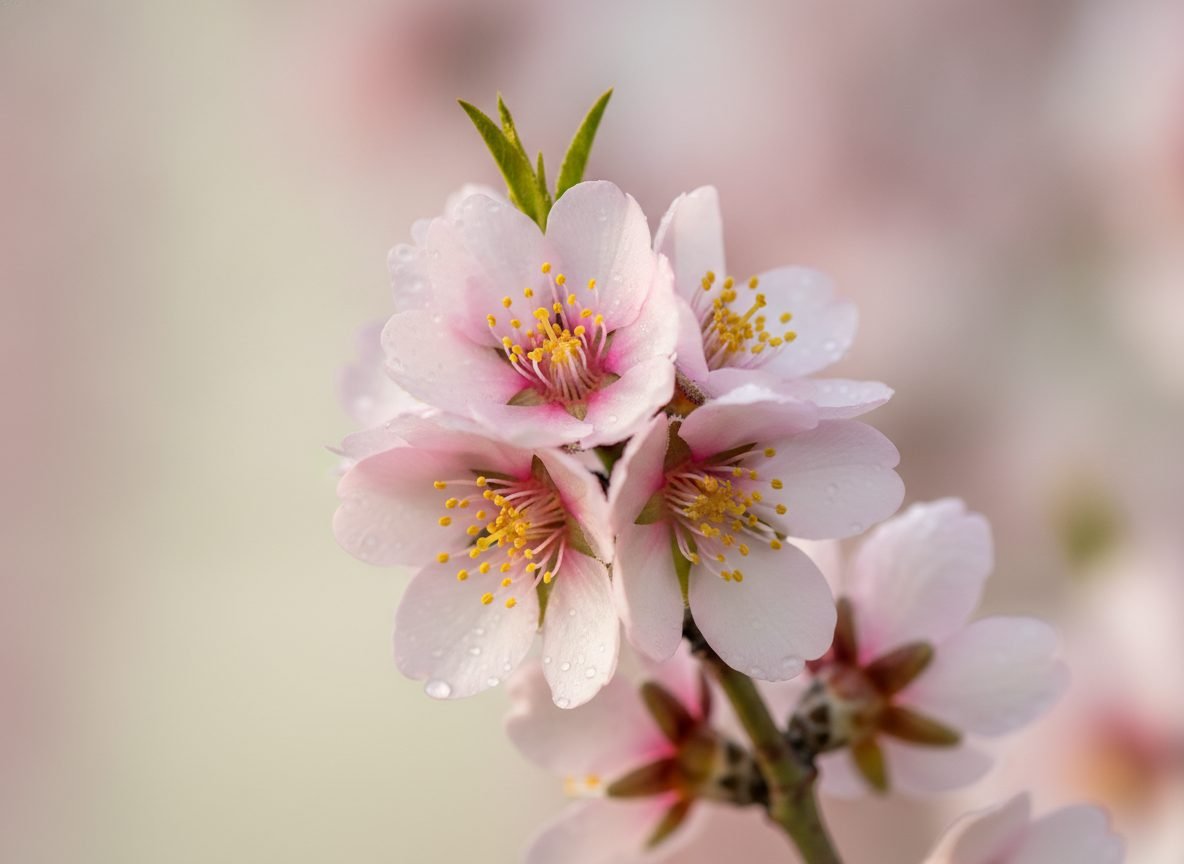
The almond tree (“shaked”) is the first in the Land of Israel to wake from winter — by Tu BiShvat its bare branches are covered in pink-white blossom. That is why the almond became the visible symbol of the festival.
The well-known song “Ha-Shkediya porachat” (“The almond is in bloom”) made this image a sign of Tu BiShvat for many generations. A blossoming branch on a bare tree — a promise of spring in the midst of winter.
The day the trees are planted
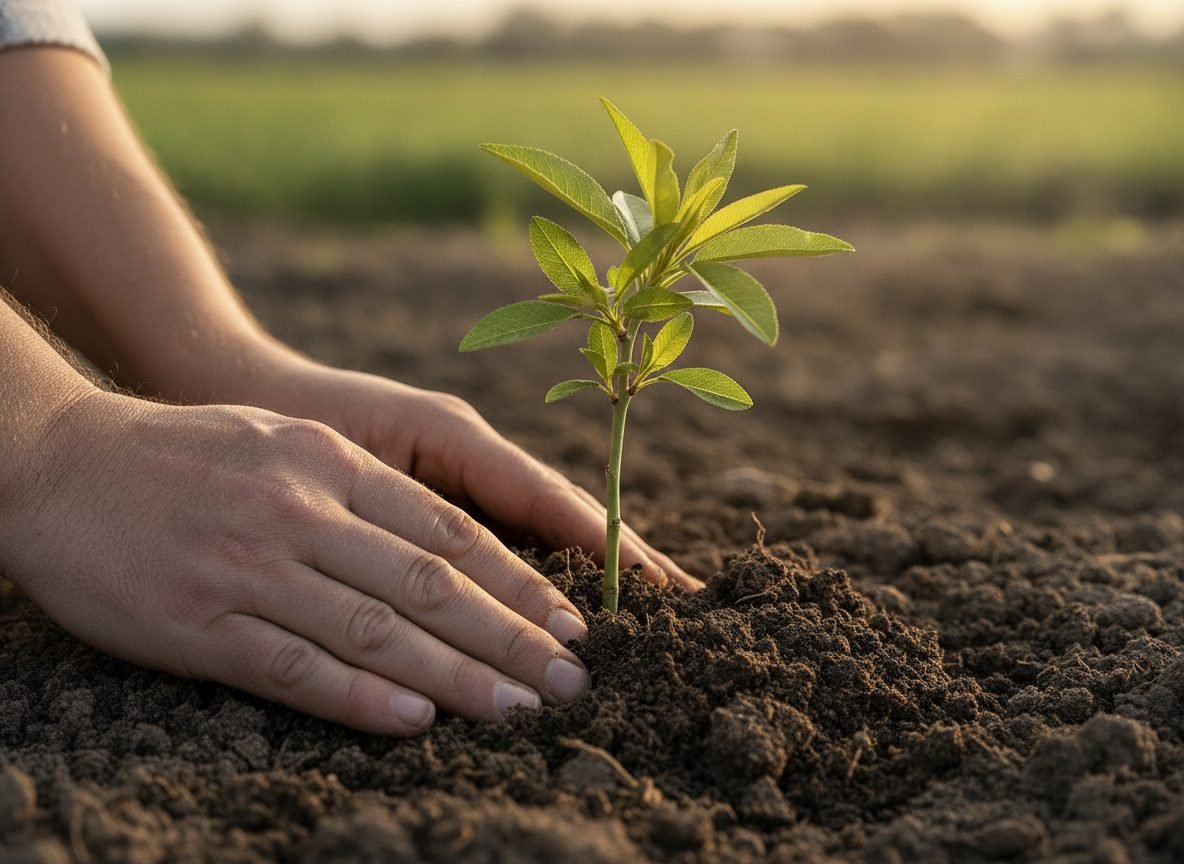
With the revival of agriculture in the Land of Israel, Tu BiShvat became a day for planting trees. Schoolchildren and communities go out to plant saplings; over the decades, millions of trees have been planted this way.
From a calendar date the festival became a day of the living bond between a person and the land — when care for the future is expressed by a simple deed: to plant a tree whose fruit, perhaps, others will live to enjoy.
For a person is a tree of the field
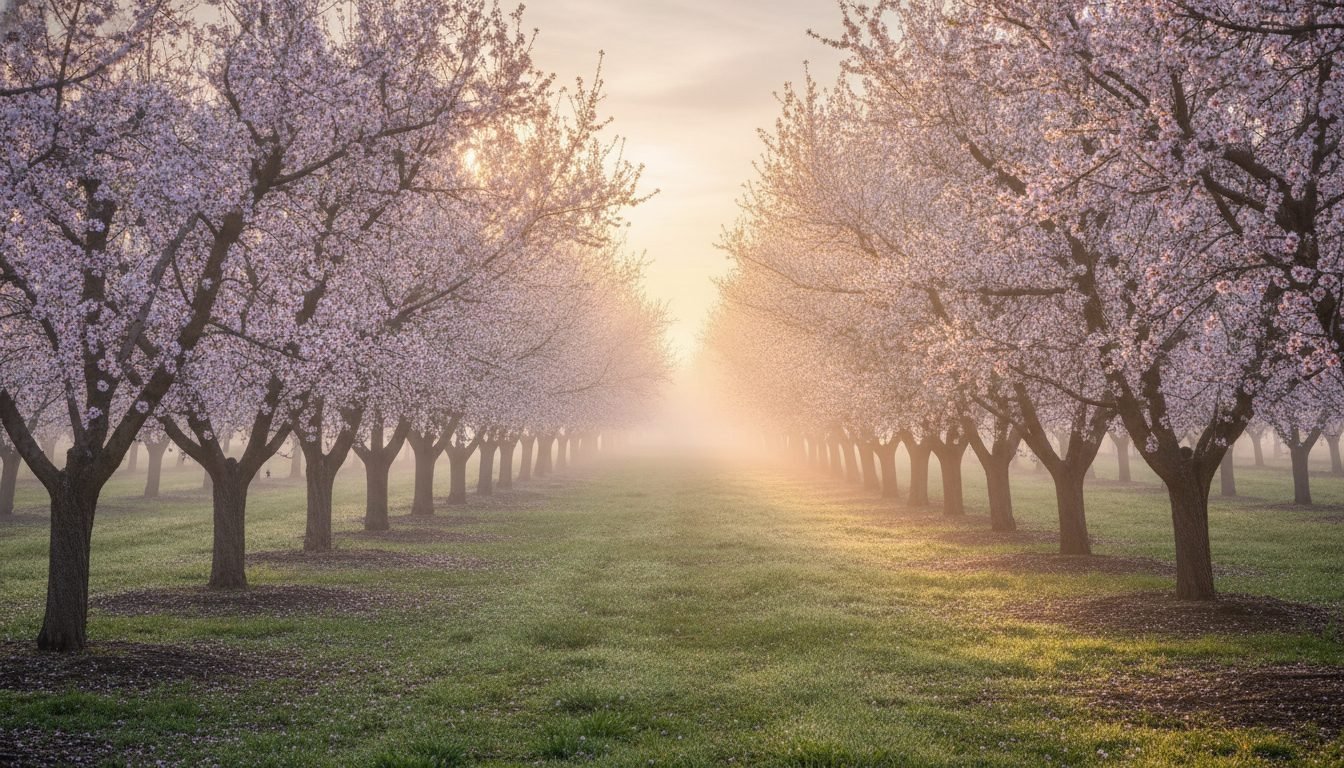
“For a person is a tree of the field” — and so they grow, take root, and bear fruit.
The ancient ecology of the Torah
Care for trees and the land is no new invention: it is written into ancient commandments.
Bal tashchit
“Do not destroy”: the prohibition on needlessly cutting down fruit trees in war (Deut. 20:19) and on spoiling anything useful.
Orlah
A tree’s fruit is not eaten for its first three years — the law teaches patience and respect for growth.
Shmita
Every seventh year the land rests: fields are left unsown, and the produce is shared with all and with nature.
The festival of trees in our day
Today Tu BiShvat is read also as a festival of ecology: a day of gratitude to nature and of conversation about caring for the land, the water, and the trees.
A seder of fruits, the planting of trees, and attention to the living world join the ancient meaning of the festival with the concerns of our time — for the land we will leave to those who come after us.