A date from the world of trees
The Mishnah (tractate Rosh Hashanah) states that the year has not one but four “new years” — four starting points for different areas of life and law. The fifteenth of Shvat is one of them: the new year for the trees.
This date determined to which year a fruit harvest belonged: what grew before it counted to the past year, what grew after it to the new. The laws of the tithe and the offerings depended on it.
The four new years
The Mishnah lists four dates from which the count begins in different spheres of life and law.
- 1 NisanThe new year for counting the reigns of kings and for the order of the festivals of the year.
- 1 ElulThe new year for setting aside the tithe from animals born during the year.
- 1 TishreiThe new year for counting years and the sabbatical and jubilee cycles — this is Rosh Hashanah itself.
- 15 ShvatThe new year for fruit trees — the boundary by which their age and the year of their fruit are reckoned. By the school of Hillel, the fifteenth, not the first of Shvat.
Why the 15th of Shvat
By mid-Shvat most of the winter rains have fallen in the Land of Israel. The sap rises through the trunk, and a new fruiting cycle begins in the trees. This is why this boundary was chosen as the cutoff of the fruit “tax” year.
The age of a tree matters in itself: the fruit of the first three years (“orlah”) may not be eaten, and the fourth year’s fruit was, in Temple times, dedicated to the sanctuary. Tu BiShvat served as a single point from which to count these years.
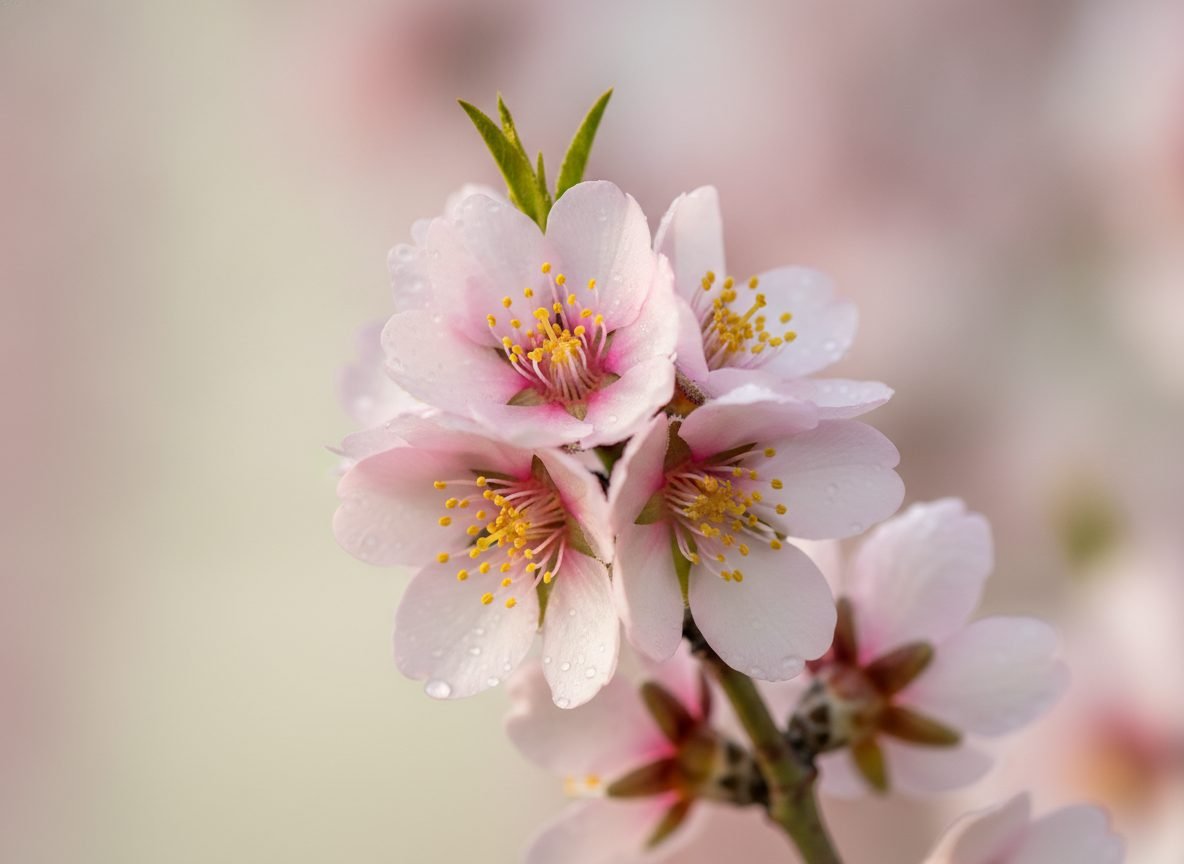
Hidden life
While it is still winter outside, spring is already rising within the trunk.
The Tu BiShvat seder and the four worlds
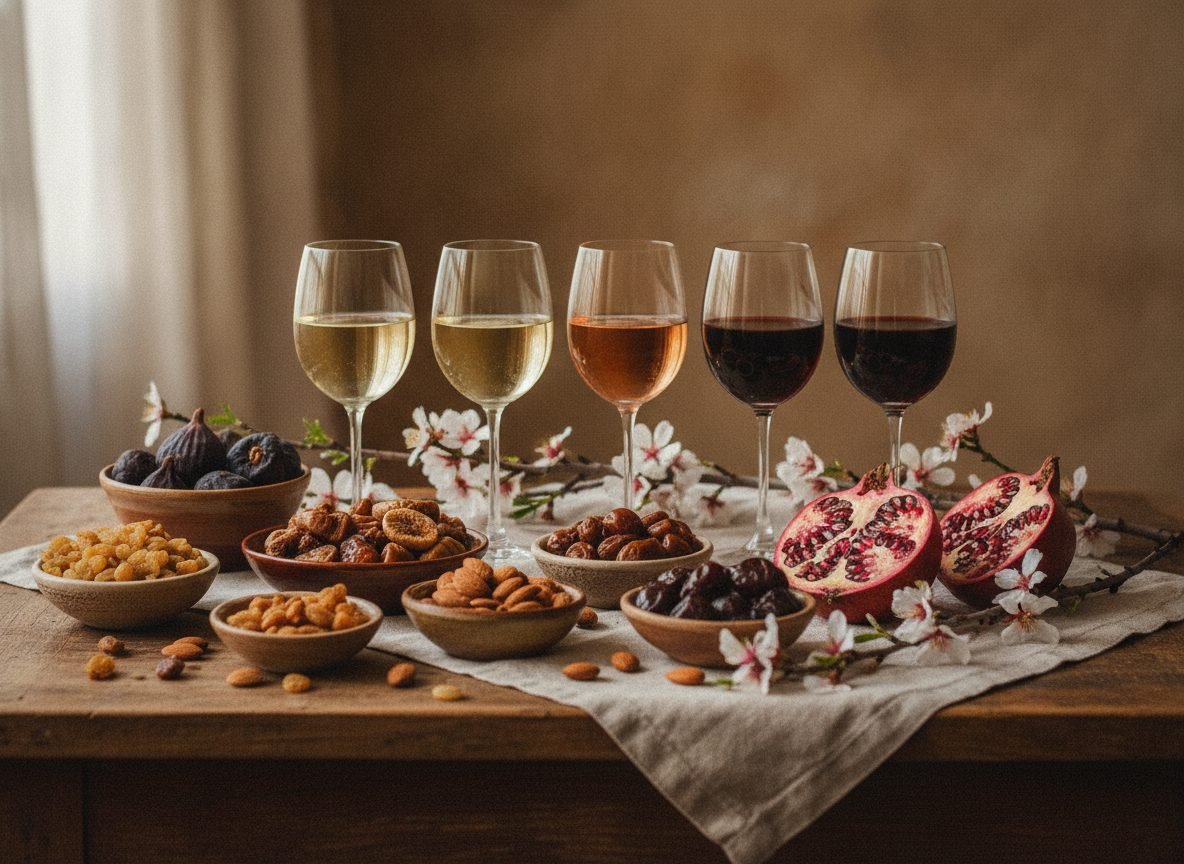
In the 16th century the kabbalists of Safed, disciples of the Arizal, created a special seder — a meal of fruits and four cups of wine.
Asiyah
The world of action. White wine — winter’s pallor, hidden potential; fruits with a hard rind.
Yetzirah
The world of formation. Pale wine with a drop of red — awakening; fruits with a pit inside.
Beriah
The world of creation. Rosé wine — growth and warmth; fruits eaten whole.
Atzilut
The world of nearness. Almost-red wine — fullness; pure spirit with no outer shell.
Rising from cup to cup — from white wine to red — and tasting the fruits of the three kinds, the participants of the seder travel from sleeping winter to the fullness of life, and from the material to the spiritual.